Starting school comes with lots of new routines for both children and parents, including lunchtime. It’s an important part of the school day, and we know how reassuring it can be for parents to understand what their child will be offered and how everything works.
If your child is starting Reception, you may be hearing about Universal Infant Free School Meals (UIFSM) for the first time. If they’re already in Year 1 or Year 2, you may already be familiar with how the entitlement works. Eligible infant pupils can have a free school meal each school day, regardless of their household income or whether their family receives benefits.
In this guide, we explain how Universal Infant Free School Meals work, who is entitled to them, how they differ from Free School Meals (FSM), and what you need to know if your child’s school is catered for by The Easy Lunch Company.
For more information, visit our Universal Infant Free School Meals page or speak to our team with any questions. We’re always happy to help parents and talk things through.
What are Universal Infant Free School Meals?
Universal Infant Free School Meals give children in Reception, Year 1 and Year 2 access to a free meal at lunchtime. The entitlement applies in England and is designed to make a free school meal available to eligible infant pupils during the school day.
Unlike benefits-based Free School Meals, UIFSM is linked to a child’s year group rather than their household circumstances.

Who is eligible for UIFSM?
Children can receive Universal Infant Free School Meals if they attend a state-funded school in England and are in:
- Reception
- Year 1
- Year 2
When your child moves into Year 3, their Universal Infant Free School Meals entitlement comes to an end. They may still be eligible for benefits-based Free School Meals, but different eligibility rules apply. To find out if you are entitled to FSM please visit https://www.westsussex.gov.uk/education-children-and-families/schools-and-colleges/free-school-meals/
If your child attends school elsewhere in the UK, school meal entitlements and arrangements may be different.
Do parents need to apply for UIFSM?
No. If your child is in Reception, Year 1 or Year 2 at a state-funded school in England, you don’t need to apply for Universal Infant Free School Meals based on your income or benefits.
If you want your child to receive their UIFSM, check the arrangements at their school so you know whether you need to do anything before they start having school lunches.
At most schools catered for by The Easy Lunch Company, parents don’t need to pre-order a meal for eligible infant pupils. Some schools do require parents to order in advance, while at other schools pre-ordering is optional if you want to guarantee a particular meal choice.
If you don’t want your child to take up the free hot school meal, let their school know.
UIFSM and Free School Meals: what’s the difference?
Universal Infant Free School Meals are based on the child’s school year. All eligible pupils in Reception, Year 1 and Year 2 are entitled to a free school meal, regardless of household income or benefit status.
Benefits-based Free School Meals work differently. Children from households receiving Universal Credit are entitled to a free school meal, but families need to apply for this support, and their eligibility must be checked by their school or local authority.
Other qualifying circumstances may also apply, so it’s worth checking the latest government guidance or speaking to your local authority if you’re unsure about eligibility.

How Universal Infant Free School Meals work with The Easy Lunch Company
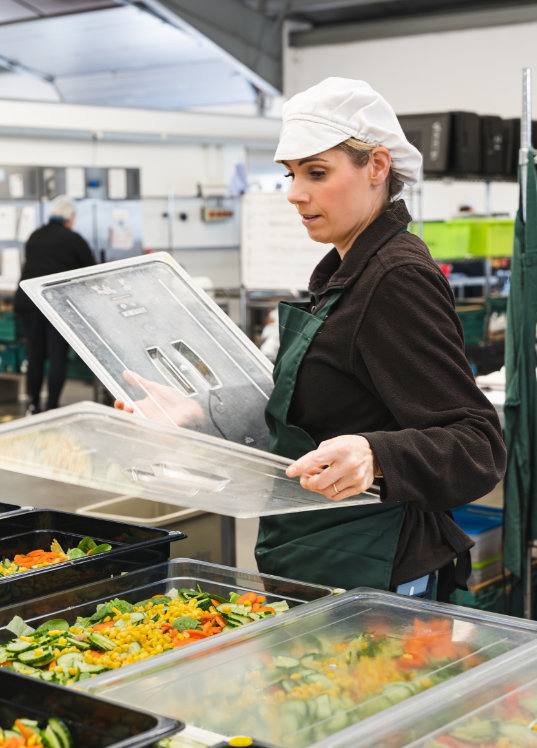
As a local team based in West Sussex, we prepare and provide fresh, nutritious hot lunches for the schools we work with, with menus created especially for children.
If your child’s school is catered for by The Easy Lunch Company, eligible pupils in Reception, Year 1 and Year 2 can receive their Universal Infant Free School Meal through the lunch service we provide.
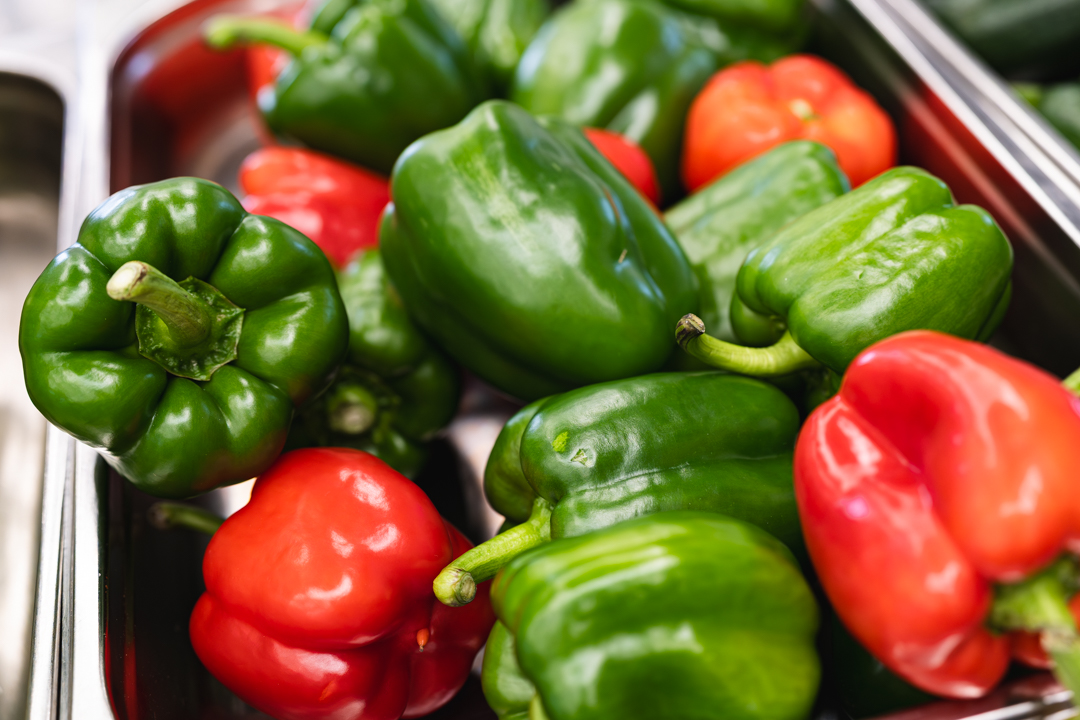
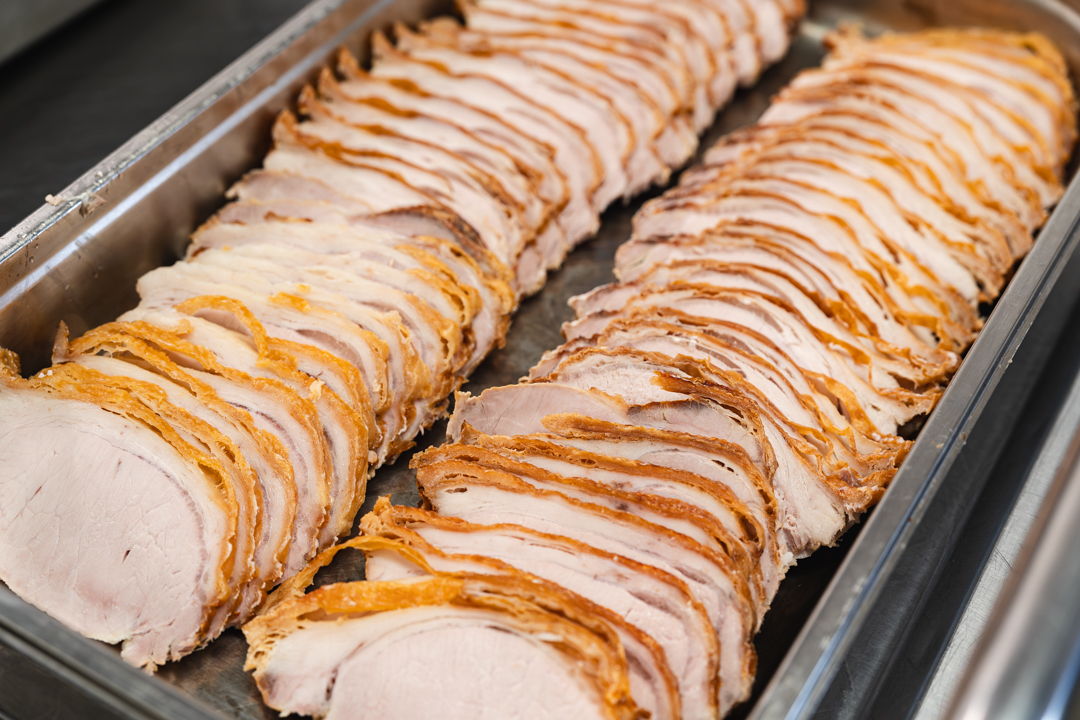
Main meals are served with vegetables or salad, and our menus are planned to offer balanced, nourishing food while meeting the relevant school food standards.
Our menus include three main meal options to choose from:
- A standard meal
- A vegetarian option
- A jacket potato with a filling
We know that younger children can have very definite favourites, particularly when they’re still settling into school. That’s why our menus include familiar dishes alongside different recipes and flavours to try. We recently added a new menu item, a pasta bolognese bake, featuring venison from the Knepp Estate.
For us, healthy eating isn’t about making lunchtime complicated. It’s about preparing food with children in mind and giving a range of choices that work well during the school day.
Take a look at Our Food to learn more about how we plan and prepare our meals.

Choosing and ordering your child’s meals
For most infant pupils, meals don’t need to be ordered in advance. However, some schools ask parents to pre-order, which can be done through SchoolGrid, our online meal booking system. Please note we have an ordering deadline each week of 11.59pm Tuesday the week before.
At schools where pre-ordering isn’t required, you can still book ahead if you want to guarantee a particular meal choice for your child. SchoolGrid lets you view upcoming menus and ingredients, making it easy to see the available options and choose the meal you’d like your child to have.
If you would prefer your child to bring a packed lunch, speak to their school about its arrangements and let them know you don’t want to take up the free hot school meal.
As children’s preferences can change, particularly during their first few years at school, don’t worry if your arrangements need to be updated later. Your school or our team can explain the process that applies to you. You can also book meals for an entire term in advance and if any changes are required these can be changed at any time as long as it’s before the deadline of Tuesday the week before.
For more help with online ordering, read our guide to booking school meals on SchoolGrid.
Dietary requirements
If your child has an allergy, medical dietary requirement or other specific need, it’s important to let their school and The Easy Lunch Company know. We can explain what information is needed and help you understand the next steps for your child’s meals.
We know how important it is for parents to feel confident about what their child is being served, so please get in touch if you have any questions or concerns.

Choosing and ordering your Summary: Universal Infant Free School Meals
Universal Infant Free School Meals are available to pupils in Reception, Year 1 and Year 2 at state-funded schools in England, regardless of household income or benefit status.
They are separate from benefits-based Free School Meals, which have their own eligibility and application rules.
If your child receives meals through The Easy Lunch Company, the way their lunch is ordered can depend on the school. At some schools, parents do not need to pre-order meals for eligible infant pupils, while others ask parents to choose meals in advance.
Speak to our team about school meals
If The Easy Lunch Company caters for your child’s school and you have a question about UIFSM, meal choices or lunch arrangements, we’re happy to help.
We put a lot of care into providing balanced, nutritious school meals, so we want parents to feel reassured about what their child is being served.
Frequently asked questions
Children in Reception, Year 1 and Year 2 at state-funded schools in England are entitled to Universal Infant Free School Meals, regardless of their household income or benefit status.
It depends on the school. At many schools catered for by The Easy Lunch Company, parents don’t need to pre-order. Some schools, however, ask parents to choose and book meals in advance. You must pre-order if your child attends Slinfold, St Mary’s, Shelley, Arunside, Barns Green Primary, or St Peter’s Cowfold.
The Easy Lunch Company can support a range of dietary needs, but arrangements depend on the individual requirement. If your child needs a special diet, speak to the team so they can advise on the information needed and the options available.